Most people say they don’t have business ideas.
But in reality, the problem is rarely a lack of ideas. It’s more often a lack of structure.
If you don’t ask the right questions, you won’t get useful answers — whether you’re thinking on your own or using AI tools like Claude or ChatGPT.
Over the past few months, I’ve been experimenting with a simple system: using AI prompts to generate practical, realistic ideas based on what I already have.
The result?
In just one week, it’s possible to generate 50 or more ideas that are not just “interesting,” but actually have the potential to make money.
In this guide, I’ll walk you through 7 practical prompt strategies you can use to do the same.
Step 1: Start With What You Already Have

Most people make the mistake of starting from zero.
They look for completely new ideas instead of using what they already know.
A much better approach is to begin with your existing advantages.
Skills, work experience, interests, and even small problems you’ve solved in daily life are all valuable starting points.
Example Prompt:
“I will tell you my skills, interests, work experience, and problems I’ve solved in daily life. Based on these, generate 10 business ideas I can start immediately.”
But don’t stop there.
Ask the AI to break each idea down:
- Who would pay for this?
- Why would they pay?
- Where can I find my first customer?
This forces the ideas to be practical, not just theoretical.
You should also filter out anything that requires building everything from scratch.
Focus only on ideas that use what you already have.
Step 2: Find Problems People Already Pay to Solve
A good idea is usually just a solution to a painful problem.
Instead of guessing what people want, look at what they are already complaining about.
People complain about things that waste their time, money, or energy.
That’s where opportunities exist.
Example Prompt:
“In this industry, list 10 real problems people constantly complain about or spend money to solve.”
Then go deeper:
- Who is affected by this problem?
- How are they solving it now?
- What’s wrong with existing solutions?
- How much would they pay for a better one?
When you look at ideas this way, you stop chasing random trends and start focusing on real demand.
Step 3: Spot Trends Before They Get Crowded

Timing matters.
Even a good idea can fail if the market is already saturated.
AI can help you identify early trends that are growing but not yet crowded.
Example Prompt:
“Analyze trends in this industry over the past 12 months. Identify areas with growing demand but low competition.”
Then ask:
- Why is this the right time to enter?
- Why haven’t most people noticed yet?
- How can I use that as an advantage?
The goal here is not to predict the future perfectly, but to position yourself slightly ahead of the majority.
Step 4: Start With an Audience, Not a Product
Another common mistake is building something first and then trying to find customers.
A better approach is to start with a group of people you already understand or can reach.
This could be:
- Your coworkers
- A community you’re part of
- A niche you’re familiar with
Example Prompt:
“I have access to this audience: [describe the group]. Generate 10 products or services I can sell to them.”
For each idea, ask:
- Why would this audience want it?
- How much would they realistically pay?
- How can I test it quickly?
Focus on ideas that are low-cost and fast to validate.
Step 5: Learn From What’s Already Working
You don’t need to reinvent everything.
There are already businesses making money in almost every niche.
Instead of ignoring them, study them.
Example Prompt:
“Analyze 5 business models in this industry that are currently making money.”
Then break it down:
- How exactly do they make money?
- What are they doing well?
- Where are customers likely to feel disappointed?
This last question is important.
Every successful business has weak points.
If you can identify those and improve on them, you already have a better starting position.
Step 6: Test Demand Before Building Anything
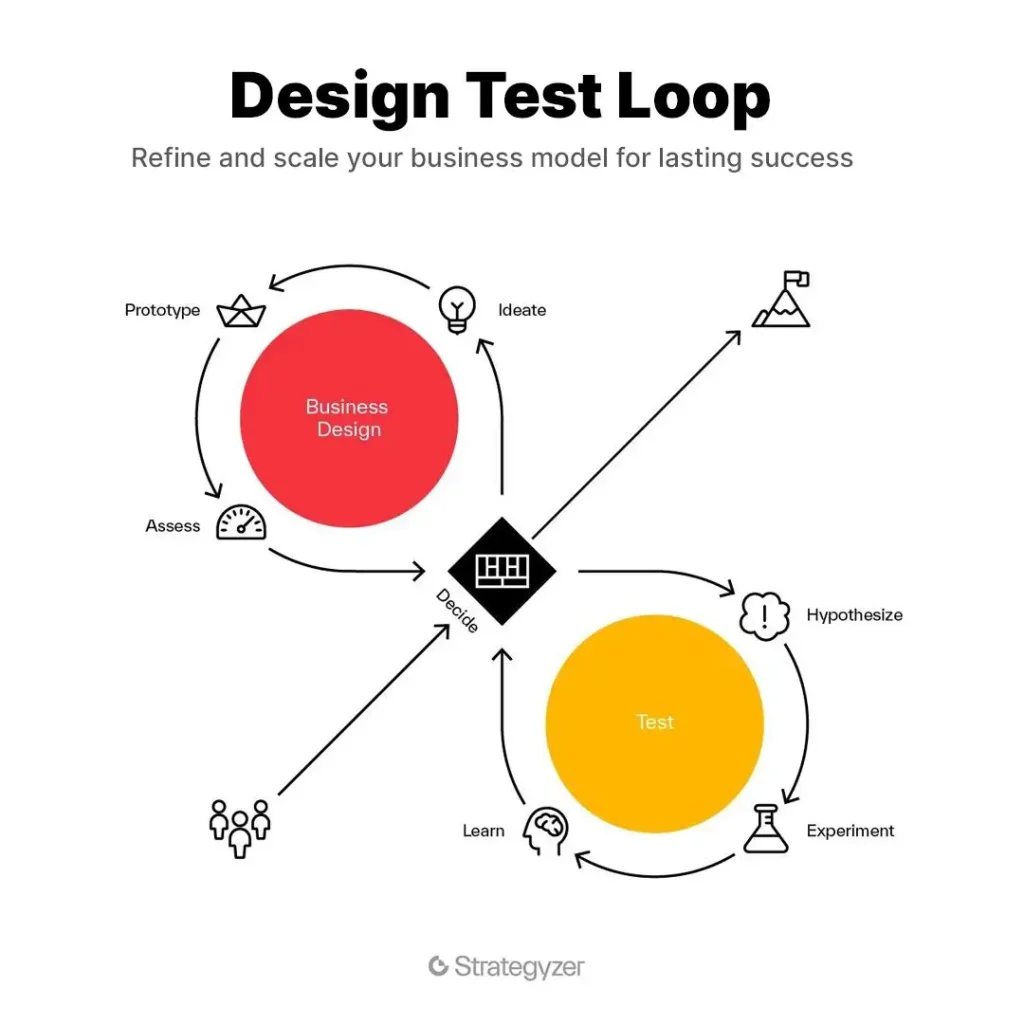
One of the biggest mistakes beginners make is building something nobody wants.
Before you spend time or money, test whether people are actually interested.
Example Prompt:
“I have this idea: [describe idea]. Give me 5 ways to test demand without building the product or spending money.”
For each method, define:
- What exactly you should do
- How long it takes to get results
- What signals indicate real demand
For example:
- Posting in communities
- Creating a simple landing page
- Asking potential users directly
The goal is simple: validate before you build.
Step 7: Decide How You Will Make Money
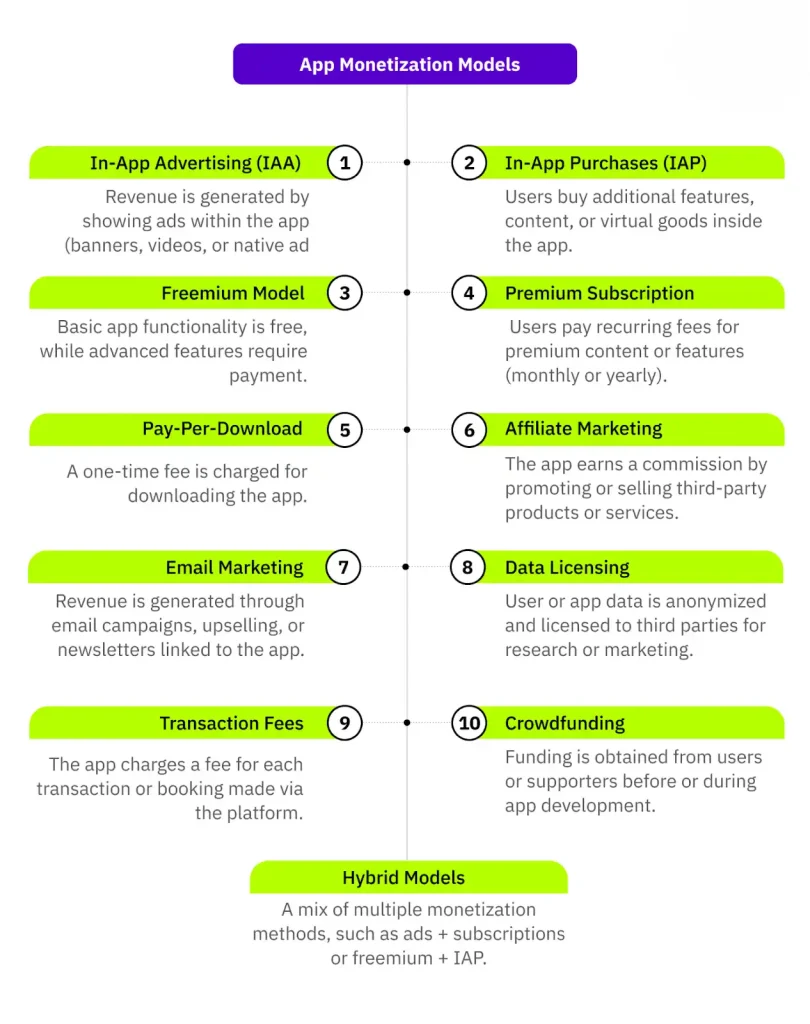
An idea is not complete until you understand how it generates income.
There are many ways to monetize:
- One-time sales
- Subscriptions
- Commission-based models
- Advertising
- Memberships
- Service fees
Example Prompt:
“For this idea, list all possible monetization methods.”
Then evaluate:
- Which model fits best?
- How soon can it generate income?
- Which method requires the least effort to start?
Finally, ask for a clear recommendation.
Not every idea needs a complex business model. In many cases, the simplest option is the best starting point.
What You Should Expect After One Week
If you use these 7 prompt strategies consistently, you won’t just get random ideas.
You’ll start seeing patterns.
Some ideas will repeat.
Some problems will appear again and again.
That’s a good sign.
It means you’re getting closer to real opportunities.
By the end of a week, having 50 ideas is not unusual.
The real value is not the number, but the clarity.
You will better understand:
- What problems are worth solving
- What people are willing to pay for
- Where your own strengths fit
Final Thoughts
You don’t need to wait for inspiration.
You don’t need to “come up” with the perfect idea.
You just need a system that helps you think more clearly.
AI tools like ChatGPT or Claude are not magic.
But if you use them with the right prompts, they can significantly speed up your thinking process.
Start small.
Run a few prompts.
Write down your ideas.
Test one of them.
That’s how real projects begin.